No items found.
What Affects a Painting Estimate? A Homeowner's Guide
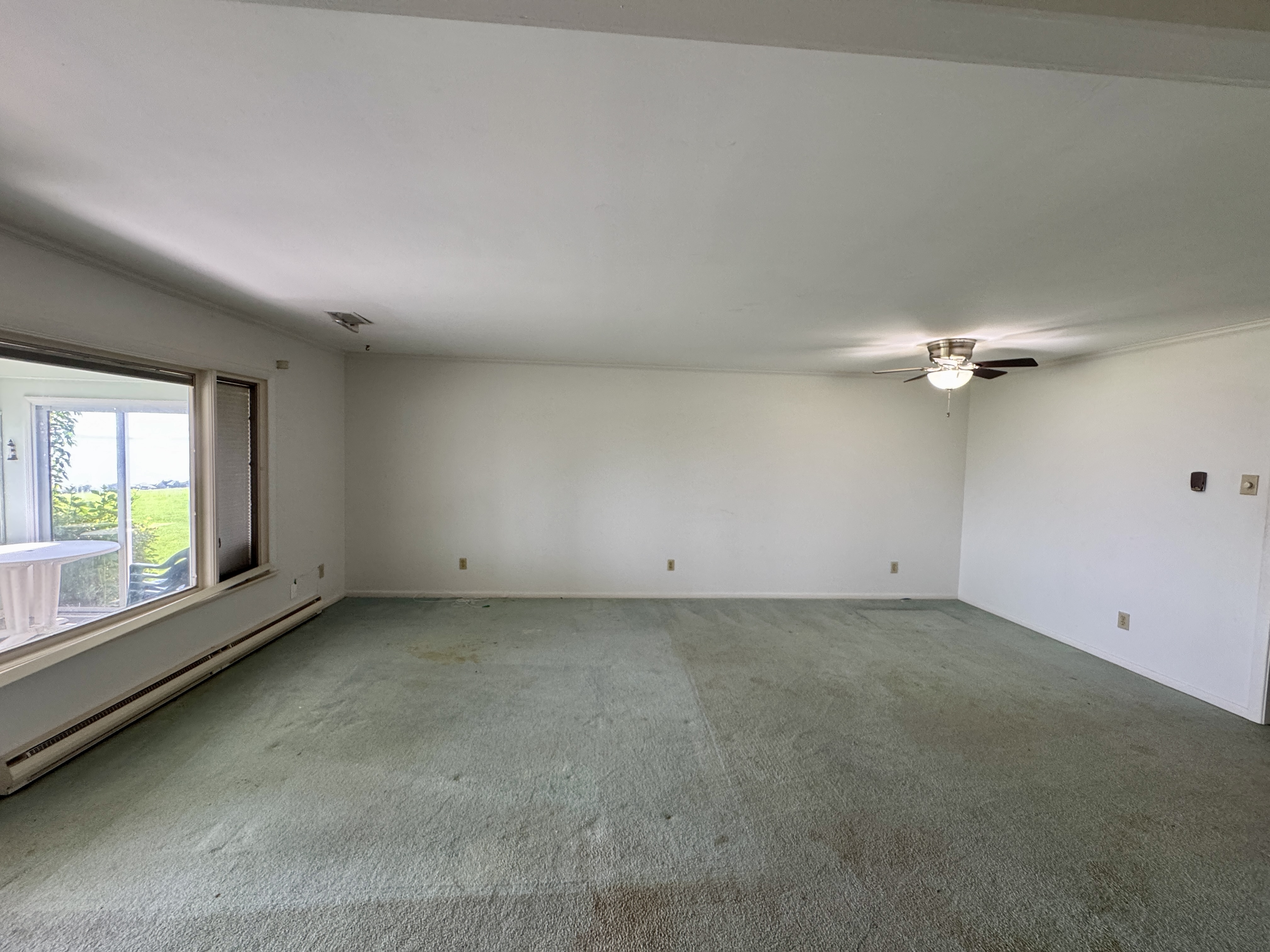


Getting a painting estimate is the moment you finally see what your project will actually cost. It is not some random number pulled out of thin air. It is a detailed breakdown that reflects the real work required to transform your space.
Every home is different, every surface tells its own story, and that is exactly why no two estimates ever look the same.
When a professional painter walks through your home in Newport News or Chesapeake, they are not just counting rooms. They are looking for everything that will affect time, materials, and safety. Here is what they evaluate:
Exterior jobs almost always cost more than interior ones, and the Virginia climate is a big reason why.
Salt air in Virginia Beach, high humidity in Norfolk, and intense sun in Suffolk beat up siding and trim faster than most people realize.
Here is what pushes exterior numbers higher:
Interior estimates, on the other hand, turn on room count, ceiling height, and trim detail. An open-plan home in Suffolk with 10-foot ceilings and miles of crown molding costs more per square foot than a rancher with 8-foot flats and minimal trim.
Professional painters follow a consistent process to arrive at their figure:
New Construction Painting
New builds are priced differently because every surface is clean drywall or raw wood. There is no scraping, no repair, no old color to cover. Estimates are almost purely square footage plus the chosen paint grade.
Professional painters use mid-grade paint to keep costs down, knowing the homeowner will repaint in a few years anyway.
Repaints and Touch-Ups
Changing from dark to light (or light to dark) is the single biggest labor adder in a repaint. Most homeowners are surprised to learn that a simple color change can require three coats plus tinted primer. Touch-ups sound inexpensive, but once you need more than a gallon or two of paint, the job usually turns into a full repaint to avoid visible lines and sheen differences.
Specialty Finishes and Techniques
Faux finishes, Venetian plaster, cabinet refinishing, or high-end lacquered trim are priced by the hour plus materials. These are artisan services, not production painting. Expect to pay two to three times the rate of standard wall painting.
The difference between budget paint and premium lines is dramatic. Big-box store paint might cost $25–$35 per gallon. Top-tier lines run $70–$90. The premium paint covers better, needs fewer coats, and holds color longer in Virginia's harsh sun. Most homeowners tell us the slightly higher upfront cost pays for itself in longevity and fewer touch-ups.
Experience, insurance, and overhead explain most of the gap. A fully insured company with trained crews and work vehicles has higher operating costs than a guy with a truck and a ladder. Regional labor rates also vary. Painters in Virginia Beach and Norfolk typically charge more per hour than crews based farther west.
This is the biggest unknown in almost every estimate. Water stains on ceilings, cracked stucco in coastal neighborhoods, or decades of layered paint on historic homes in Williamsburg can turn a straightforward job into a major restoration. Good prep is not optional. It is what keeps your new paint looking fresh five or ten years from now.
The only way to know your real number is to have an experienced crew walk through your home.
At Legacy Painting, we have been giving accurate, no-surprise estimates to homeowners across Hampton Roads, Williamsburg, Virginia Beach, Newport News, Chesapeake, and Suffolk for years. Our recent projects show that homeowners who invest in proper surface prep and quality materials save money in the long run.
Call us today to schedule your free, detailed painting estimate and know exactly what your project needs. You deserve to know the real cost before you commit, and we make that process simple and stress-free. Let’s get your home looking its absolute best.

